
The Long Resistance
The promise delayed, the freedom claimed.
Juneteenth — a contraction of June and Nineteenth — marks the day in 1865 when the last enslaved Black Americans in Confederate territory learned they were free. It is the oldest known celebration commemorating the end of slavery in the United States.
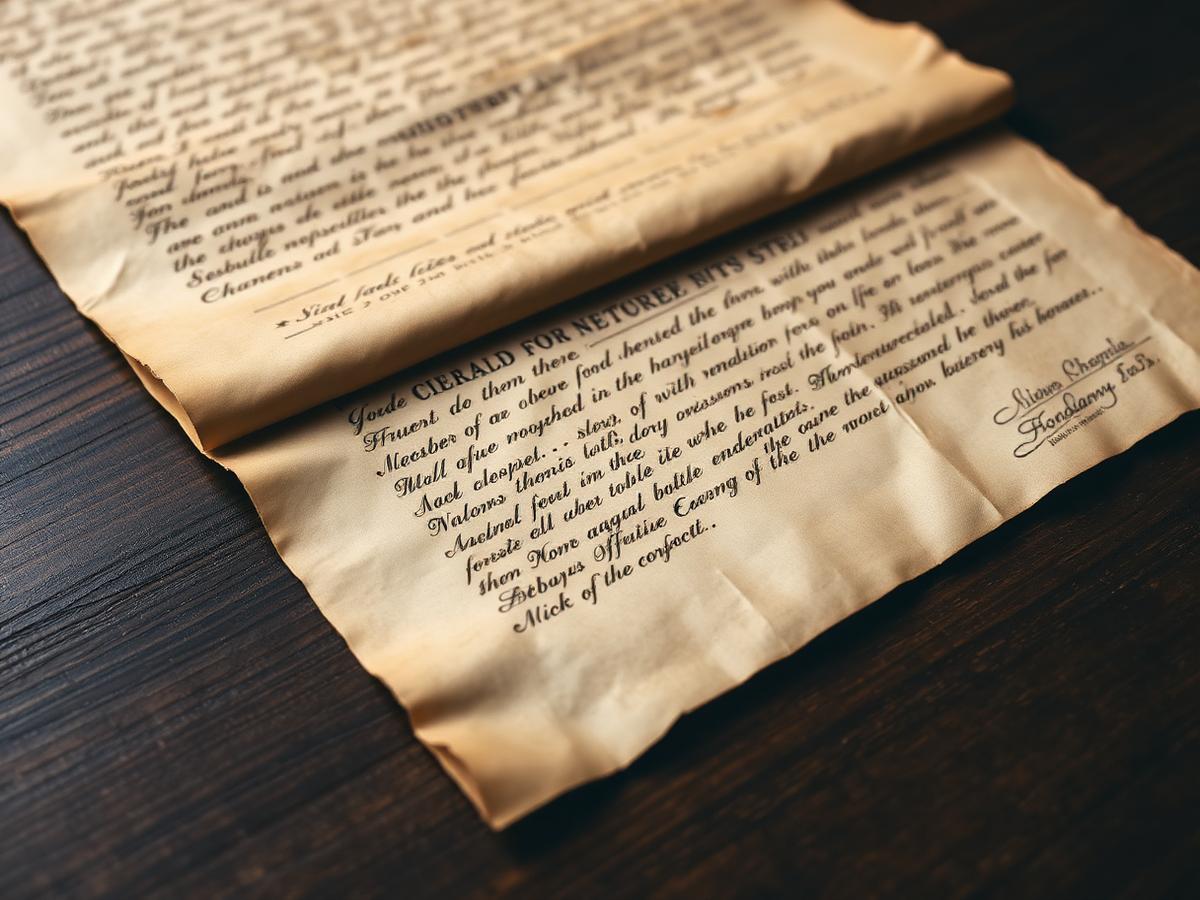
General Order No. 3
“The people of Texas are informed that, in accordance with a proclamation from the Executive of the United States, all slaves are free. This involves an absolute equality of personal rights and rights of property between former masters and slaves.”
— Maj. Gen. Gordon Granger, Galveston, June 19, 1865
A Timeline of Freedom
- 1863
Emancipation Proclamation
President Lincoln declares enslaved people in Confederate states 'forever free' — but the order cannot be enforced where the Union has no presence.
- April 1865
The Confederacy Surrenders
General Lee surrenders at Appomattox. Word travels slowly. In Texas, enslavers continue to hold roughly 250,000 Black people in bondage.
- June 19, 1865
General Order No. 3
Major General Gordon Granger arrives in Galveston with 2,000 federal troops and reads the order announcing that all enslaved people in Texas are free.
- 1866
The First Jubilee
Newly freed Texans purchase land — including Houston's Emancipation Park — to gather, worship, and celebrate the anniversary in public.
- 1872
Emancipation Park, Houston
Reverend Jack Yates and a coalition of formerly enslaved ministers buy ten acres dedicated to Juneteenth celebrations in perpetuity.
- 1980
Texas State Holiday
Texas becomes the first state to officially recognize Juneteenth as a holiday, after years of advocacy led by State Representative Al Edwards.
- 2021
Federal Holiday
President Biden signs the Juneteenth National Independence Day Act. It becomes the eleventh federal holiday — and the first since Martin Luther King Jr. Day in 1983.
Why It Still Matters
Juneteenth is a day of reckoning and a day of rejoicing. It reminds us that justice often arrives late, and that its protection — like its arrival — requires the work of ordinary people in community with one another. We celebrate not because the work is finished, but because the people who came before us refused to stop.